

The Hidden Maintenance Trap of the Unused Guest Bathroom
You walk into the basement guest suite to grab fresh towels, and even though no one has stayed down there in months, you notice a thin layer of dust on the mirror and a faint, stale odor hanging in the air. Figuring out exactly how often do guest bathrooms really need to be cleaned is a common challenge for homeowners trying to manage their household maintenance without over-scheduling. The concrete problem is simple: you want to prevent stagnant water rings, dried-out plumbing, and heavy dust accumulation in these large, mostly unused spaces, but paying for a full weekly scrubbing feels like a misallocation of resources.
Many homeowners fall into the misconception that an "unused" room is a "maintenance-free" room. The reality is that indoor environments are dynamic. Dust continuously settles, and plumbing systems require regular water flow to function safely. This creates a distinct decision point for families: deciding whether to keep these secondary spaces on a regular weekly cleaning rotation or shift them to a targeted monthly maintenance cadence. Working with a professional Castle Rock house maid service can help you strike this balance, optimizing your schedule so you save resources while actively protecting your home's fixtures from neglect.
The core dilemma: Over-cleaning wastes your maintenance budget, while under-cleaning leads to permanent hard water etching and unpleasant sewer gases. Finding the middle ground requires understanding exactly what happens to a room when the door stays closed.
Why Empty Rooms Still Gather Grime: The Mechanics of Dust and Stagnation
It is frustrating to wipe down a countertop that hasn't been touched, only to find it coated in a fresh layer of grey fuzz a week later. The primary culprit is your home's central heating and cooling system. Even behind closed doors, your HVAC system continuously pushes airborne particles—pet dander, skin cells, textile fibers, and outdoor pollen—through the ductwork and out into every connected room.
The Problem: When a guest bathroom goes unused, the lack of foot traffic and airflow creates a stagnant environment. Without people moving through the space to disrupt the air, particles settle heavily and evenly across all horizontal surfaces. Furthermore, Colorado's notoriously dry indoor air increases static electricity, causing dust particles to cling stubbornly to vertical surfaces like mirrors, shower glass, and porcelain toilet tanks.
The Cause: Undisturbed surfaces actually make dust more visible. In a frequently used primary bathroom, daily activities—running the shower, wiping the sink, opening cabinets—constantly displace dust. In an empty basement suite, the dust simply layers upon itself. If left for months, this static-charged dust absorbs whatever minimal moisture is in the air, turning from loose powder into a sticky film that requires actual scrubbing to remove.
The Solution: While full-scale sanitization isn't needed weekly in an empty room, environmental dust management absolutely is. A bi-weekly dry dusting of flat surfaces, light fixtures, and baseboards prevents this static cling from forming a stubborn film. Keeping the bathroom door cracked open a few inches also promotes passive air circulation, reducing the stale environment that allows dust to settle so heavily.
The Plumbing Threat: Dried P-Traps and Unpleasant Odors
One of the most overlooked aspects of household maintenance is the mechanical necessity of running water. Competitors often focus entirely on wiping surfaces, missing the unseen plumbing threats that develop when a bathroom sits dormant.
How Fast Do P-Traps Dry Out?
Every sink, shower, and tub drain in your home is equipped with a P-trap—a curved, U-shaped section of pipe located just beneath the drain. This curve is designed to hold a small reservoir of water at all times. That standing water acts as an airtight seal, physically blocking harmful, foul-smelling sewer gases from rising out of the municipal sewer line and entering your home.
When a bathroom goes unused, that protective water barrier slowly evaporates. In highly humid environments, a P-trap might hold its seal for months. However, in Colorado's low indoor humidity, water in unused plumbing traps evaporates much faster—often disappearing entirely in just three to four weeks. Once the trap runs dry, the seal is broken, and raw sewer gas flows freely into the guest suite. Symptoms of a dry trap include a sudden, sharp sulfur or "rotten egg" smell that seems to permeate the entire basement.
Managing Household Odors
When a foul smell develops in an unused space, diagnosing the source is the first step. Homeowners often confuse sewer gas with other trapped smells, such as pet odors migrating through the HVAC return vents. If you suspect the latter, a deep cleaning to remove pet odors throughout the main living areas is the right approach. But if the smell is localized to the guest bathroom drains, running water is your first line of defense.
The "Flush and Run" Baseline:
- Weekly sink flush: Turn on the hot and cold water in the sink for 30 seconds to refresh the trap.
- Weekly shower run: Run the shower head and tub spout for a full minute.
- Ventilation: Run the exhaust fan for ten minutes after flushing the lines to pull any lingering stale air out of the room.
Combating the Hard Water Hazard in Stagnant Toilets
Beyond the hidden threat of dried P-traps, unused plumbing fixtures face a highly visible, regional threat. The Front Range is notorious for its hard water, meaning the municipal supply carries high concentrations of dissolved calcium and magnesium. While hard water is generally safe, it becomes a destructive force when allowed to sit undisturbed.
When mineral-heavy water sits in a toilet bowl for weeks on end, the water slowly evaporates along the edges, leaving the heavy minerals behind. These minerals rapidly crystallize onto the porcelain, forming thick, brown, or grey deposits. We frequently see search patterns for stagnant water rings in unused toilet bowls, as homeowners are shocked by how quickly an untouched toilet can look heavily soiled. If ignored, these crystallized minerals will permanently etch the porcelain, rendering the bowl cloudy and impossible to fully restore.
To combat this hazard and assist in preventing soap scum and hard water stains, implement this simple preventative routine:
- The Weekly Flush: Flush every unused toilet in the house at least once a week. This cycles fresh water into the bowl and disrupts the mineral crystallization process.
- The Quick Swish: Keep a toilet brush near the guest bath. Once a week, after flushing, give the water line a quick five-second swish with the brush to dislodge any microscopic mineral deposits before they harden.
- Avoid Bleach Tablets: Do not drop bleach tablets into the tank of an unused toilet. Because the water sits stagnant for long periods, the highly concentrated bleach will rapidly degrade the rubber flapper and seals inside the tank, leading to costly leaks.
Transitioning Your Cleaning Cadence for Hosting Season
As the weather shifts, so does the way we use our homes. Moving a basement guest bathroom from "summer storage" mode to active readiness requires a strategic shift in your maintenance schedule. The early fall / pre-holiday hosting season is the ideal time to perform a comprehensive reset before overnight guests begin arriving.
Rather than suddenly paying for weekly deep cleans, you can transition the space using a phased timeline. This ensures the room is welcoming without wasting effort too far in advance.
| Timeline | Maintenance Focus | Key Actions |
|---|---|---|
| 4 Weeks Out | Environmental Reset | High dusting (vents, ceiling fans, crown molding). Wash the shower curtain liner. |
| 2 Weeks Out | Deep Sanitization | Scrub grout lines, descale shower glass, and sanitize all high-touch surfaces. |
| 1 Day Out | The Final Polish | Wipe down mirrors, empty trash, fold fresh towels, and stock toilet paper. |
Scheduling a professional reset is often the most efficient way to handle this seasonal transition. If you aren't sure what is included in a deep cleaning service, it typically covers the intensive tasks that regular maintenance skips. For example, one homeowner preparing for fall hosting requested extra attention to often-missed details in their guest suite, from the small kitchenette coffee maker to the stove top and bathroom baseboards. A targeted deep clean ensured the space sparkled, covering previously overlooked areas so the home was perfectly staged for visitors.


Customizing a Rotating Professional Cleaning Schedule
One of the biggest mistakes homeowners make is assuming that every single room in the house requires the exact same level of service every single week. This rigid approach leads to wasted hours scrubbing empty tubs while high-traffic areas like the kitchen and primary bath might need even more attention.
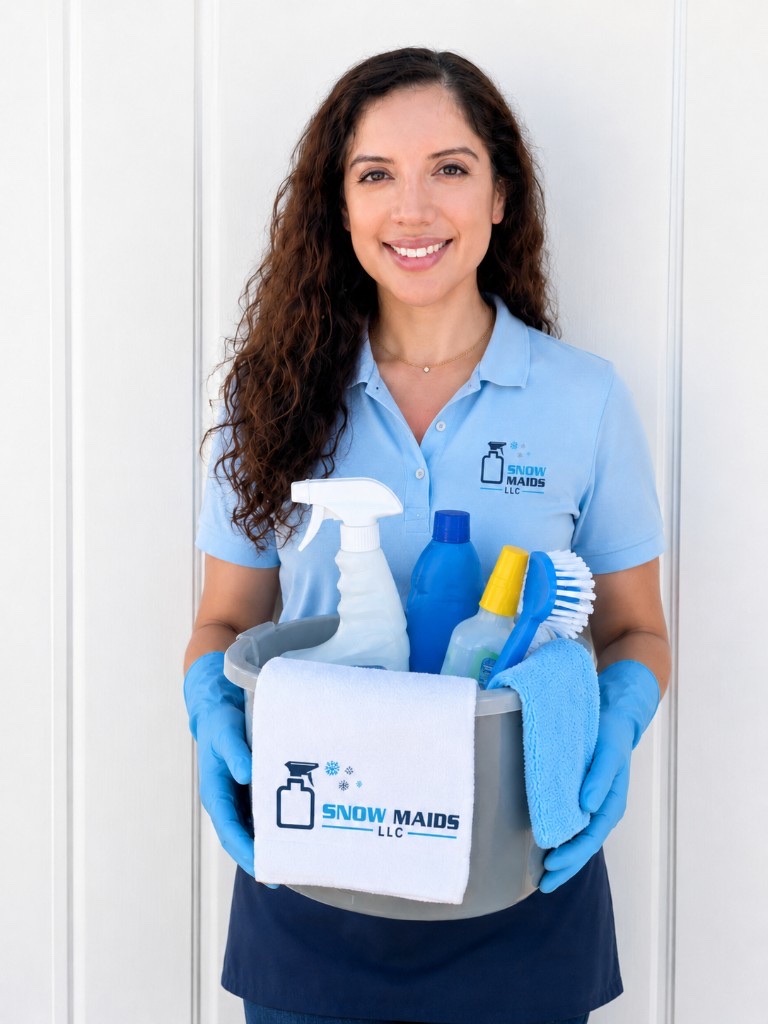
The value of a rotating schedule: Snow Maids takes a transparent approach to helping homeowners balance their cleaning resources by recommending customized rotating schedules. Instead of a blanket approach, a rotating schedule allocates time based on actual usage. You might schedule your main living areas, kitchen, and primary bathrooms for weekly or bi-weekly service, while placing the basement guest bathroom, formal dining room, and spare office on a monthly deep-clean rotation.
This flexibility is especially helpful for busy households. For instance, a local family managing two small children and a heavily shedding dog realized their resources were better spent focusing on the daily chaos. By shifting their unused guest spaces to a monthly rotation, the professional team could spend more time thoroughly deep cleaning the high-traffic zones. The family was extremely pleased with the outcome, as the entire home stayed clean without over-servicing empty rooms.
Clear communication with your professional team sets expectations and ensures no area is neglected. When choosing the right cleaning frequency, always ask your service provider if they offer customizable rotations. A trustworthy partner will tell you when a room doesn't need a weekly scrub and will help you build a plan that fits your exact lifestyle.
Frequently Asked Questions About Guest Bathroom Maintenance
How often should you clean an unused bathroom?
An unused guest bathroom should be lightly maintained weekly by flushing toilets and running faucets, dusted bi-weekly, and deep cleaned on a rotating monthly schedule. This layered approach prevents plumbing damage and heavy dust buildup without wasting effort. The weekly water run keeps sewer gases at bay, while the monthly deep clean addresses any static dust that has settled on the porcelain and mirrors.
What happens if a toilet sits unused?
If a toilet sits unused, the water in the bowl slowly evaporates, which can eventually break the water seal and allow sewer gases into the home. Additionally, stagnant water allows heavy minerals like calcium to crystallize against the porcelain. In dry climates with hard water, this results in stubborn, dark hard water rings that can permanently etch and damage the bowl if left untreated for months.
How do you keep a guest bathroom smelling fresh?
The most effective way to keep a guest bathroom smelling fresh is to run water in all drains weekly to keep the P-traps full and block sewer gases. You should also keep the bathroom door slightly ajar to promote passive air circulation and prevent the air from becoming stale. Rely on passive odor absorbers, like baking soda or activated charcoal, rather than heavy artificial sprays that simply mask underlying musty odors.
How often should you flush an unused toilet?
You should flush an unused toilet at least once a week to refresh the water in the bowl and tank. This simple action disrupts the mineral crystallization process, preventing hard water rings from forming. It also ensures the internal rubber seals in the tank remain lubricated and functional, preventing slow leaks that can drive up your water bill.
Can I just turn the water off to an unused bathroom?
While you can safely shut off the supply valves to the sink and toilet in an unused bathroom, doing so does not solve the primary maintenance issues. Even with the water off, the existing water in the P-traps will still evaporate over a few weeks, leading to severe sewer gas odors entering the home. If you turn the water off, you will still need to manually pour water down the drains monthly to maintain the vapor seal.
Optimize Your Home's Maintenance Plan Today
Managing an unused guest suite shouldn't feel like a burden or a waste of your household resources. By understanding that empty spaces need strategic maintenance rather than weekly scrubbing, you can protect your plumbing, prevent hard water damage, and keep dust at bay. As the hosting season approaches, take a few minutes to review your current cleaning cadence. If you are paying to have empty rooms scrubbed every week, it might be time to adjust your strategy. Reach out to discuss a customized, rotating cleaning plan that provides a clear, practical framework for maintaining your entire home efficiently.